

Miyama, Kyōto Prefecture
Seen it?2023 | 97 min | Documentary
 Monday Morning Maybeearly rating
Why it’s a Monday Morning Maybe
With a box office flop and almost no lasting buzz, this one could be a tough watch. Keep your phone handy.
Based on critics, audiences, awards, box office and buzz. Details below.Is it for you?
- Who'll love it
- Made for the curious.
- The mood
- Eye-opening.
- The pace
- Moves along nicely, at 1 hr 37 min.
- What might put you off
- It's in German, so expect subtitles (or a dub).
The follow-up film to “Barstow, California” takes us to the mountains of Miyama, a remote forest and tourist area north of Kyoto. Uwe Walter, a shakuhachi player from Germany, lives there with his wife Mitsuyo for 30 years. Together with the villagers he prepares the annual Gion Festival. On the eve of the festival, the village representatives tell him that his self-built studio is to be demolished. This brings back memories for him of earlier times and his first steps as a Nō actor. In the manner of a fresco, the film interweaves rural depictions of everyday life with the story of its German protagonist. In the village community with its togetherness of generations, Uwe shares life with his neighbours, with farmers, hunters, woodsmen, poultry farmers and anglers, tills his kitchen garden, and like other tradition-conscious villagers, he also grows his rice. The film shows them in a harsh mountain landscape between the rainy season and the first snow.
How it earned its rating
- CriticsNot counted
Not enough reviews on record yet
- AudiencesNot counted
Not measured yet: not enough ratings
- AwardsNot counted
No major awards or nominations
- Reach & staying powerWeak
Streaming release that reached a small audience so far
- Buzz & cultural impactWeak
Not enough engagement data yet
More like this
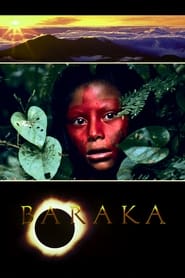 Baraka
 Saturday SpecialAnother documentary that's easy to miss.
 Koyaanisqatsi Saturday SpecialAnother documentary, and a Saturday Special.
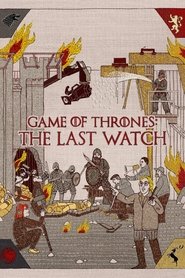 Game of Thrones: The Last Watch
 Sunday Safe BetAnother documentary, and a safe bet for a quiet night.
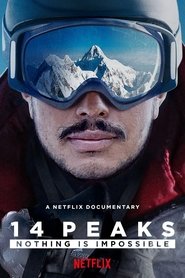 14 Peaks: Nothing Is Impossible Sunday Safe BetAnother documentary, and a safe bet for a quiet night.
Want more like this, picked just for you? Get my picks
Cast & crew
Directed by Rainer Komers